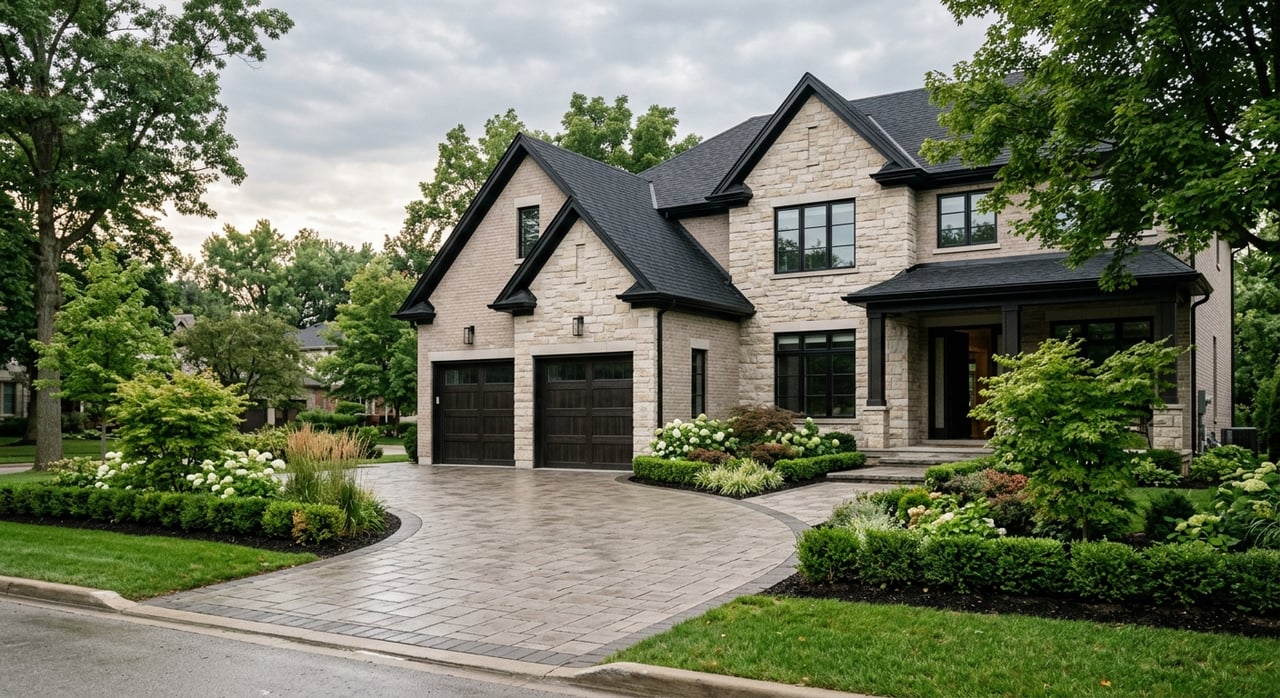
Bloomfield Township HOA Rules Every Buyer Should Review
June 4, 2026
June 4, 2026
Buying in Bloomfield Township can feel straightforward until you realize the home may come with two sets of rules instead of one. If you are considering a property in an HOA or condo association, you are not just evaluating the house, dues, and location. You are also evaluating how private association rules and township requirements may shape daily life, future projects, and long-term costs. This is where smart due diligence pays off, so let’s dive in.
In Bloomfield Township, homeowner associations and the township play different roles. The township states that it does not interpret or enforce HOA restrictions, because those rules are private and handled by the association itself. At the same time, township ordinances, permits, and code enforcement still apply to the property.
That means you may need to follow both township requirements and association rules at the same time. For buyers, this matters most when you are reviewing a property’s ongoing costs, understanding what you can do with the home, and planning any updates after closing.
Bloomfield Township also notes that the United Homeowner Associations of Bloomfield Township includes more than 60 member associations. In other words, association living is a meaningful part of the local housing landscape, and each community may operate a little differently.
Not every association-governed property looks the same. Some are traditional condominium communities, while others are site condominiums that may look more like detached single-family neighborhoods. Michigan’s Condominium Buyer’s Handbook makes an important point here: even if a property looks like a detached-home subdivision, condo law may still apply if it is a site condominium.
That distinction matters because the governing documents can affect ownership rights, maintenance responsibilities, and approval requirements. If you are buying in Bloomfield Township, it is worth confirming early whether the property is in a traditional HOA, a condominium association, or a site condominium structure.
For condominium properties, the core documents often include:
These documents help define what you own, what the association maintains, what fees you pay, and what restrictions apply. They are not background paperwork. They are part of the property profile.
Many buyers think HOA rules are mostly about appearance, but they often reach much further. Michigan’s handbook specifically advises buyers to check restrictions on pets, renting, displaying items outdoors, and other prohibitions before signing.
Rules may also affect repairs, renovations, and exterior changes. If you make changes without required approval, the association may take enforcement action. That is why it is important to understand the rules before you write an offer, not after you move in.
This is one of the biggest issues for Bloomfield Township buyers. The township says permit applicants should inform the HOA about planned work and provide proof that notice was given. It also states that deed restrictions are privately regulated by the subdivision association, not the township.
In practical terms, a township permit does not replace HOA approval, and HOA approval does not replace a township permit. Depending on the project, you may need both.
Bloomfield Township’s permit information shows how broad this can be. Permits may be required for:
For exterior changes, the township asks for a site plan and, when there is an active association, the association’s comments. In applicable cases, one set of plans must have subdivision association approval before a permit is issued.
If you have a dog or plan to add a fence, this is a good example of how private and public rules can overlap. Bloomfield Township says fences up to 4 feet high in side and rear yards require a permit. A taller fence, or a fence in a front yard, needs Zoning Board of Appeals approval plus a permit.
The township also says that if a fence is intended to contain a dog, Zoning Board of Appeals approval is required even when setback rules are met, except for invisible fencing, which only needs a permit if setback rules are followed. On top of that, your association may have its own fence standards or pet-related restrictions.
Parking is another area where buyers should review both layers. Bloomfield Township says vehicles must be parked on an approved surface, not on grass. It also says inoperable or unregistered vehicles are not allowed except in a garage.
The township’s snow-emergency ordinance also prohibits parking on publicly maintained streets during a snow emergency. If the association has additional parking or vehicle restrictions, you will need to follow those too.
Monthly dues are only part of the story. Michigan’s handbook explains that the ownership percentage in the master deed helps determine monthly maintenance fees, major-repair assessments, and sometimes voting percentages.
That means two homes in association-governed communities may not carry the same financial structure, even if they look similar at first glance. Buyers should understand not only the current dues, but also what those dues cover and how future costs may be assigned.
Associations must maintain a reserve fund for major repairs and replacement of common elements. According to Michigan’s handbook, the minimum reserve is 10% of the annual budget on a non-cumulative basis.
If the association needs more money than it has on hand, it may assess owners. The handbook also states that monthly fees and assessments are liens on the unit. For buyers, that makes the association’s financial health an important part of the purchase decision.
If a home is governed by an HOA or condo association, document review should be part of your upfront due diligence. Michigan’s handbook recommends reviewing all condominium documents and not relying on verbal promises.
Before you commit, ask for:
Current copies of the master deed, amendments, and other condominium documents must be available to prospective purchasers at reasonable hours. If the documents are difficult to obtain, that is a signal to slow down and get clarity.
As you review the documents, focus on practical questions that affect how you will live in the home and what it may cost over time:
These are the kinds of questions that can help you avoid surprises after closing.
Association living also means understanding how information is shared. Michigan’s handbook says associations must provide an annual financial statement to each co-owner, and books, records, and contracts must be available for examination at convenient times.
At the same time, a condominium association is a private entity, not a public one. Its meetings are not subject to the Open Meetings Act, and buyers may not have a right to attend meetings unless the bylaws say so. The bylaws also may not require minutes to be provided.
This is one reason document review matters so much. You may not be able to rely on informal access to ongoing discussions, so the written governing documents and financial records carry real weight.
Some buyers assume the current rules will stay fixed, but Michigan law allows condominium documents to be amended. If amendment rights are reserved, some changes can be made without co-owner consent if they do not materially alter rights. Material changes generally require at least a two-thirds vote of co-owners and mortgagees.
The practical takeaway is simple: treat HOA and condo rules as part of the home’s long-term profile, not just a closing-day detail. A community that works for you today should also make sense for how you expect to live there in the future.
In Bloomfield Township, HOA due diligence is about much more than avoiding small annoyances. It is about understanding monthly costs, approval processes, private deed restrictions, and the separate role of township code and permits.
When you review the documents carefully and ask the right questions early, you give yourself a much clearer picture of what ownership will actually look like. That kind of clarity can help you make a more confident offer and avoid expensive surprises later.
If you are comparing Bloomfield Township homes, condos, or site condos and want a clear read on how association rules may affect your purchase, the team at Mark Kattula Real Estate Group can help you evaluate the details and move forward with confidence.
Stay up to date on the latest real estate trends.

Experience matters — but experience with heart matters more. From personalized strategy to precision negotiations, every detail is handled with care.