Washington Township Guide To Low-Maintenance Home Living
June 25, 2026
June 25, 2026
If the idea of spending weekends on yard work, snow removal, or surprise exterior repairs sounds exhausting, you are not alone. Many buyers in Washington Township want a home that feels comfortable and private without adding a long list of chores. The good news is that low-maintenance living is possible here, but it takes a clear understanding of what you are actually buying and what responsibilities come with it. Let’s dive in.
Washington Township is a strong ownership market, with an estimated population of 29,229 as of July 1, 2025 and an owner-occupied housing rate of 81.3% during 2020 through 2024. The median owner-occupied home value was $408,400, median household income was $97,723, and mean commute time was 30.0 minutes. In a community where many people own and stay put, homes that reduce day-to-day upkeep can be especially appealing.
That appeal is also practical. The township’s homeowner-facing services include building and code enforcement, water and sewer, trash and recycling, road project information, and an HOA registry. That tells you something important right away: even in a low-maintenance setup, your ownership experience may involve both township services and association rules.
Low-maintenance does not mean no maintenance. In Washington Township, it usually means you may be able to shift some exterior or shared-area responsibilities to an association, depending on the property type and governing documents. The key is knowing exactly which tasks you still handle yourself.
For many buyers, the goal is simple. You want less time spent on mowing, repairs, and seasonal upkeep, while still enjoying the space and comfort of homeownership. That can be a great fit, but only if you look closely at the fine print before you buy.
Under Michigan law, common elements are the parts of a condominium project other than the individual units. Condo documents include the master deed, bylaws, and related instruments, and those documents spell out how ownership and maintenance work. After developer sellout, condo co-owners own and maintain the development unless a local government takes responsibility for some portion.
That matters because monthly dues are not just a convenience fee. The association sets maintenance fees and can assess owners for common-element repairs. Your percentage of ownership, assigned in the master deed, helps determine your monthly fees and voting percentages.
A site condominium is especially relevant if you want a single-family look with a lower-upkeep ownership model. Michigan’s Condominium Buyer’s Handbook explains that the term is commonly used for a condominium development with detached single-family housing, even though it is not separately defined in the act. Local ordinances determine the review process, and the state does not review site-condo documents for conformity with the act.
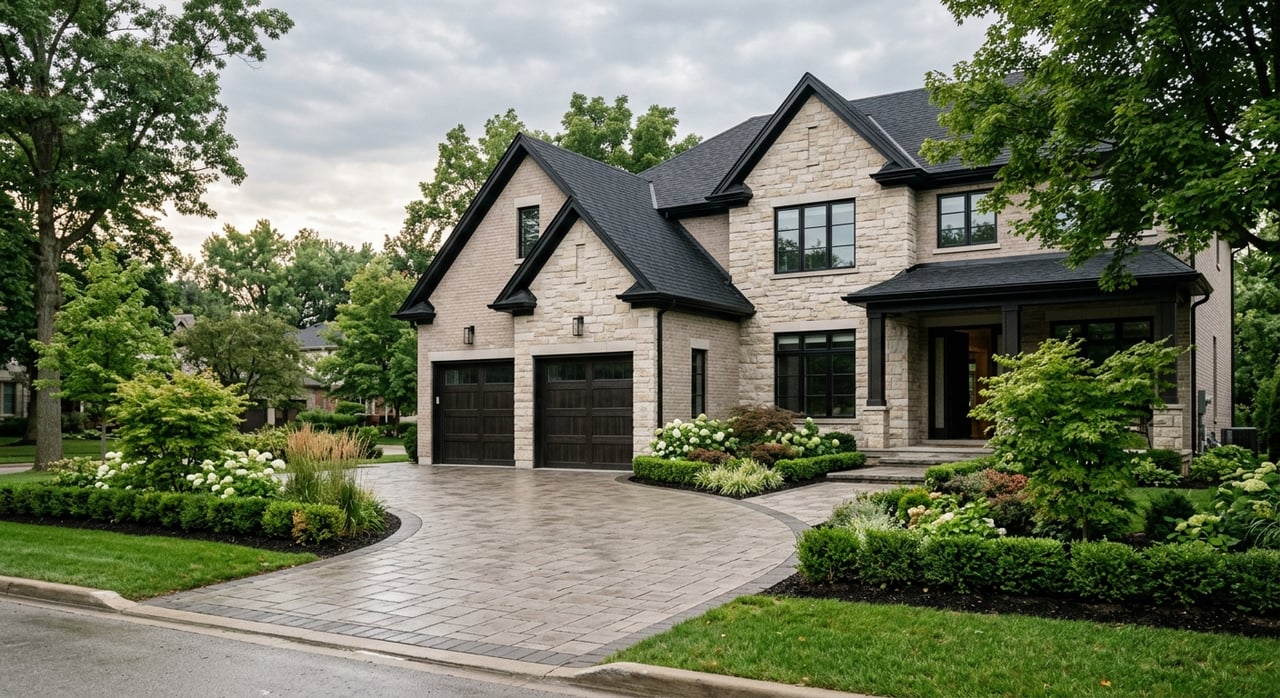
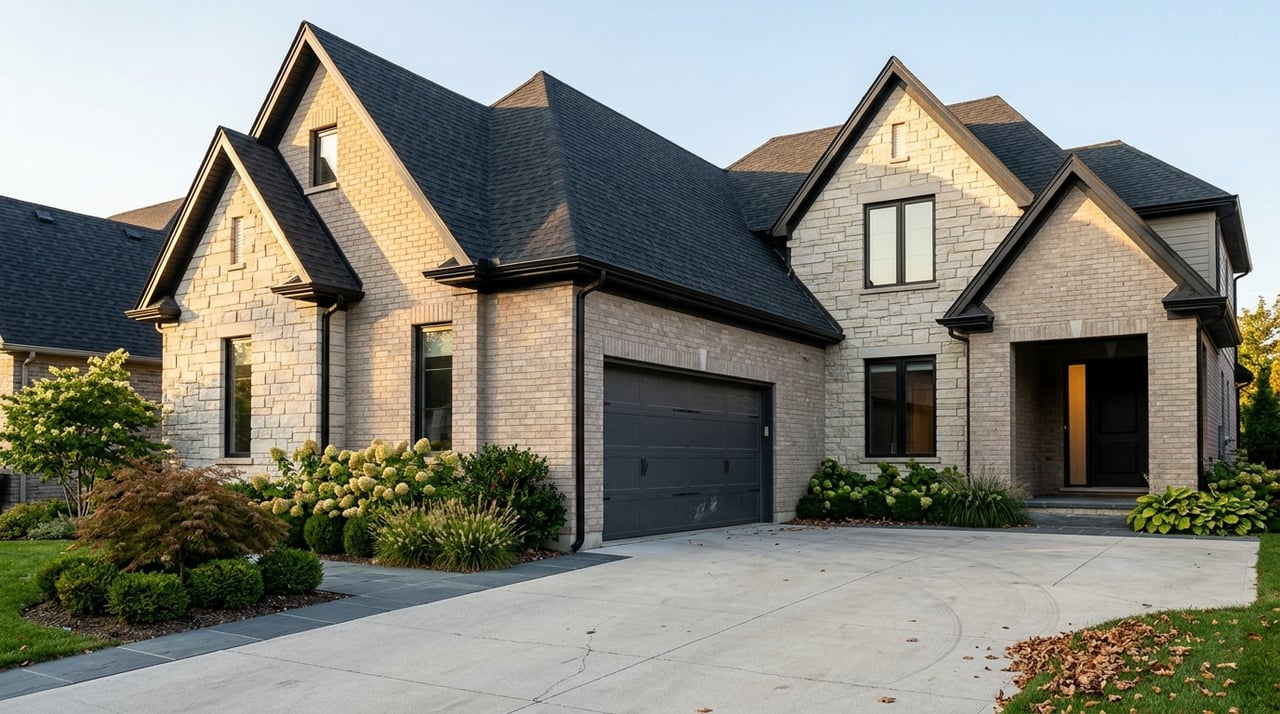
For buyers in Washington Township, that means a site condo can feel more like a traditional house while still operating under condominium documents and association rules. It may offer the privacy and layout you want, but the maintenance setup can vary widely from one community to another.
Some buyers also look for traditional single-family homes with simpler upkeep needs. That might mean a smaller lot, newer systems, or fewer exterior features to maintain. While that is not the same as association-managed living, it can still support a low-maintenance lifestyle if you prefer more control over your property.
One of the biggest mistakes buyers make is assuming the association handles everything outside the walls. In reality, common elements can include roads, open space, and recreation facilities, while limited common elements can include things like a carport space or even the yard of a detached unit, depending on the master deed. So the answer is not the same in every community.
That means you should ask direct questions about:
A home may look low-maintenance from the outside, but your actual responsibilities depend on the recorded documents.
In Washington Township, public roads are maintained by the Macomb County Department of Roads. Private roads are maintained at the expense of the private individuals who requested them. This is a major detail for buyers because road responsibility can affect both convenience and cost.
If you are considering a condo or site condo community, ask whether the roads are public or private. That single question can tell you a lot about future maintenance obligations and potential shared costs.
Washington Township’s Building Department requires permits for many common projects, including roofs, interior remodels, additions, accessory buildings, decks, patios, pools, furnaces, air conditioners, generators, hot water tanks, fences, and sheds. The township also makes it clear that approved work may still be restricted by subdivision restrictions or easements. When applicable, owners are advised to obtain subdivision-association approval too.
In plain terms, a township permit does not automatically mean your community allows the change. If you value low-maintenance living because you want fewer surprises, this is one of the most important details to understand before you buy.
The township’s Department of Public Works handles water and sewer billing and regularly replaces components such as water meters and meter-reading devices. The township also notes that staff may need interior access for some work. Even in a home designed for convenience, there can still be occasional service needs that require your time and coordination.
Trash service is another practical piece of the puzzle. Washington Township states that Priority Waste serves the community, and yard-waste pickup runs from April 1 through December 10 each year. That is useful to know if you are comparing a detached property with a community that includes more shared services.
The best low-maintenance home is not always the one with the lowest monthly dues. Instead, it is the one where the responsibilities, rules, and costs match your lifestyle. A careful comparison can help you avoid assumptions.
| Feature to Compare | Why It Matters |
|---|---|
| Monthly dues | Helps you understand recurring ownership costs |
| Exterior maintenance coverage | Shows what the association handles versus what you handle |
| Road type | Public and private roads can mean different responsibilities |
| Landscaping and snow removal | A big factor in day-to-day convenience |
| Rules on exterior changes | Important if you may update the home later |
| Assessments and reserves | Helps you gauge potential future costs |
| Management and board contacts | Useful for day-to-day communication and problem solving |
Michigan law gives condo buyers important disclosure rights. Developers must provide prospective condo buyers with the recorded master deed, a purchase agreement, the buyer’s handbook, and a disclosure statement that includes a projected first-year association budget, among other items. Associations must also keep current copies of the master deed and other condominium documents available to co-owners, prospective purchasers, and prospective mortgagees at reasonable hours.
Those documents are not just legal paperwork. They are your roadmap to understanding how the community functions, what you are responsible for, and how costs are allocated.
Pay special attention to these items:
Washington Township maintains an HOA Registry form that requests the HOA name, contact information, website or social page, mailing address, management company, and board officers. That is a strong local reminder to verify who runs the community and how communication works before you commit.
When you are evaluating a low-maintenance property, ask questions like these:
These questions can quickly reveal whether a home truly fits your goals or simply sounds convenient on the surface.
The right low-maintenance home depends on what you want less of and what you still want to control. If you want a detached feel with fewer shared walls, a site condo may be worth a close look. If you want simpler shared maintenance and a more defined association structure, a traditional condo may make more sense.
You should also think beyond the home itself. Consider your comfort with association rules, your tolerance for monthly dues, and whether private-road or shared-area costs fit your budget and expectations. A clear, local review of the documents can make all the difference.
Low-maintenance living in Washington Township can be a smart move if you choose with your eyes open. If you want help comparing condos, site condos, and other homes in Macomb County, Mark Kattula Real Estate Group can help you sort through the details and find a property that fits the way you want to live.
Stay up to date on the latest real estate trends.
Experience matters — but experience with heart matters more. From personalized strategy to precision negotiations, every detail is handled with care.