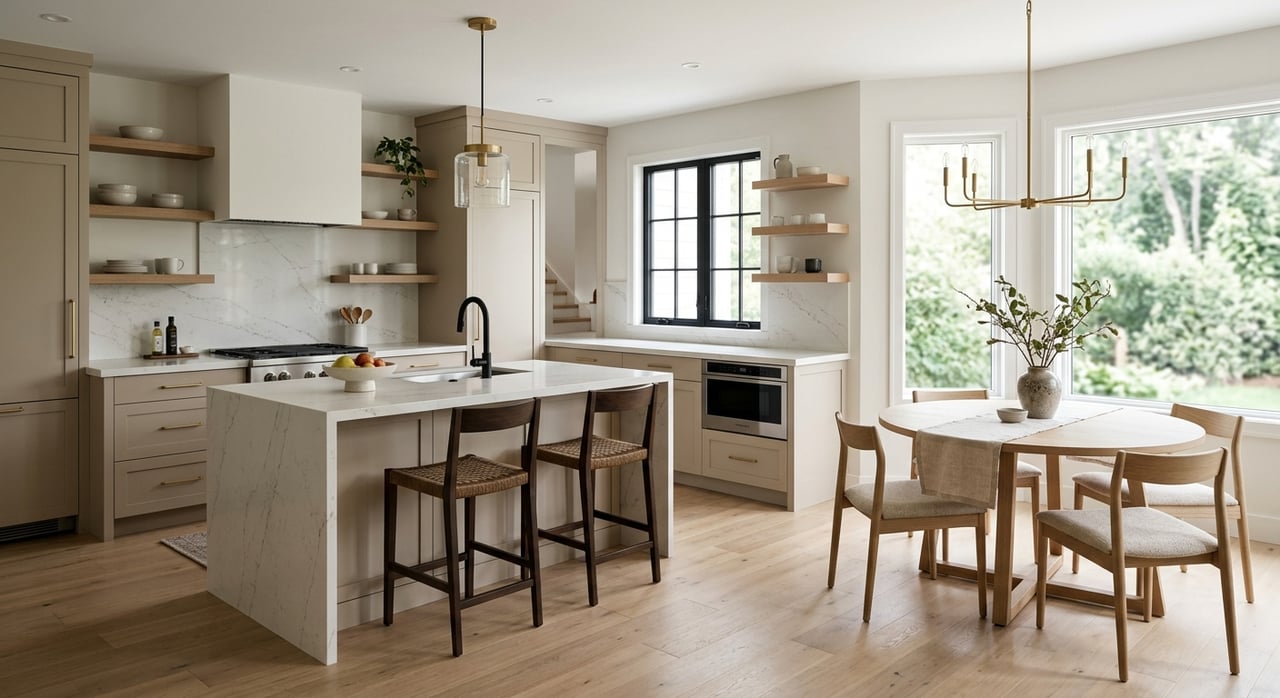
How To Plan A Downsize Move In Bloomfield Hills
May 21, 2026
May 21, 2026
Are you thinking about leaving a larger Bloomfield Hills home, but not sure how to make the move without losing comfort, privacy, or peace of mind? Downsizing here is rarely just about square footage. It is often about simplifying upkeep, protecting your timing, and finding a home that still fits the way you want to live. If you plan ahead, you can make the transition feel far more organized and far less stressful. Let’s dive in.
Bloomfield Hills is a small, established residential community where many homeowners stay for years. The city reports a 2010 population of 3,869 and a median age of 54, which helps explain why many moves here are driven by lifestyle changes, maintenance concerns, and long-term planning rather than urgency alone.
If you have lived in your home for a long time, you may be leaving more than a house. You may be leaving a wooded lot, a familiar routine, and a property with substantial equity. That is why a smart downsize plan should focus on preserving the parts of your life that matter most while reducing the parts that have become harder to manage.
Before you look at homes, get clear on what “downsizing” actually means for you. In Bloomfield Hills and nearby Bloomfield Township, the right move may be a smaller single-family home, a condo, a townhouse, or a home with more exterior support.
Bloomfield Township’s planning documents note that the local housing mix includes estates, more modest homes, townhouses, and condos. They also note that townhouse and condo living can appeal across generations, which makes these property types worth considering if you want less day-to-day upkeep without leaving the area.
These questions help you focus on lifestyle fit, not just home size. That often leads to better decisions and fewer regrets after the move.
A successful downsize usually solves practical problems. It should reduce maintenance, support how you live now, and give you enough flexibility for the next stage of life.
In this market, that may mean prioritizing one-level living, fewer exterior responsibilities, or community-managed services. Some local condo-style communities offer features such as lawn maintenance, snow removal, walking trails, and community management. Those features are not universal, but they show the kind of low-maintenance setup many buyers want when rightsizing.
If you split time between homes or travel often, Bloomfield Hills also offers practical local services that can support a more lock-and-leave lifestyle. The city’s House Key program stores a spare key for emergency access, and House Watch is available for homes left unoccupied for two or more days.
For most homeowners, the hardest part of downsizing is not deciding to move. It is coordinating the sale, the purchase, and the physical move in the right order.
A strong plan can reduce overlap, stress, and rushed decisions. Instead of waiting until closing gets close, start with the next home and work backward from there.
AARP recommends measuring the new space before moving and using the floor plan to guide what you keep. That can save time, money, and frustration because you are making decisions based on reality, not guesswork.
If you have been in your home for decades, decluttering may be the most emotional part of the process. It can also be the most important. The earlier you start, the more control you have.
AARP advises sorting before the movers arrive and being realistic that everything may not fit in the next home. NASMM, the National Association of Senior & Specialty Move Managers, also notes that many older adults have not moved in decades and may need more support than expected.
Start with categories that are easiest to decide on and least emotional:
This order helps build momentum. It also prevents you from wasting energy on sentimental items before you have cleared the obvious excess.
You do not have to do every part yourself. NASMM says move managers may help with organizing, downsizing, packing, unpacking, relocation logistics, utility setup, and arranging donation or disposal.
For many homeowners, that support is worth it. It reduces decision fatigue and helps turn a big project into a step-by-step process.
A downsize move often uncovers items you should not place at the curb or move to the next house. Bloomfield Hills residents have local options that can make this part easier.
The city notes that residential waste, recycling, and yard waste service will be handled by Express Waste beginning April 1, 2026, with curbside, door-side, and inside-service levels available. The city also notes that a senior discount may be available through Express Waste.
For items that need special handling, the city uses SOCRRA for hazardous waste and recycling services. Residents can schedule special household waste appointments, with up to two appointments per calendar year at no direct charge. According to the city, each appointment allows up to 10 gallons of household hazardous waste and up to 80 pounds of electronics.
SOCRRA also supports paper shredding and electronics recycling. That can be especially useful if your home contains old tax records, medical paperwork, or outdated devices you do not want to bring with you.
Downsizing in Bloomfield Hills is not just a moving project. It is also a tax and paperwork event, and those details can affect your timeline.
Bloomfield Hills explains that annual property taxes are calculated by multiplying taxable value by the millage rate divided by 1,000. The city also notes that millage can vary by school district and that a sale may trigger uncapping under Proposal A. In plain terms, a home sale can change the taxable value basis, so it is wise to factor that into your planning.
These are details worth planning for early, especially if you expect overlap between the old home and the next one.
A good downsizing move is rarely about choosing the smallest home possible. It is about choosing the home that makes your life easier while keeping the location, privacy, and comfort you value.
In Bloomfield Hills, that often means comparing maintenance needs, HOA support, travel habits, tax timing, and how much space you truly use. When you line those pieces up early, the move becomes much more manageable.
The best downsizing moves feel calm because the decisions happen in the right order. You define your goals, choose the right kind of home, sort what fits, plan the sale and purchase together, and use local resources to make the transition smoother.
If you are planning a downsize in Bloomfield Hills, a thoughtful strategy can help you protect your equity, simplify the process, and move with confidence. To talk through your options with a local, relationship-first advisor, schedule a free consultation with Mark Kattula Real Estate Group.
Stay up to date on the latest real estate trends.

Experience matters — but experience with heart matters more. From personalized strategy to precision negotiations, every detail is handled with care.