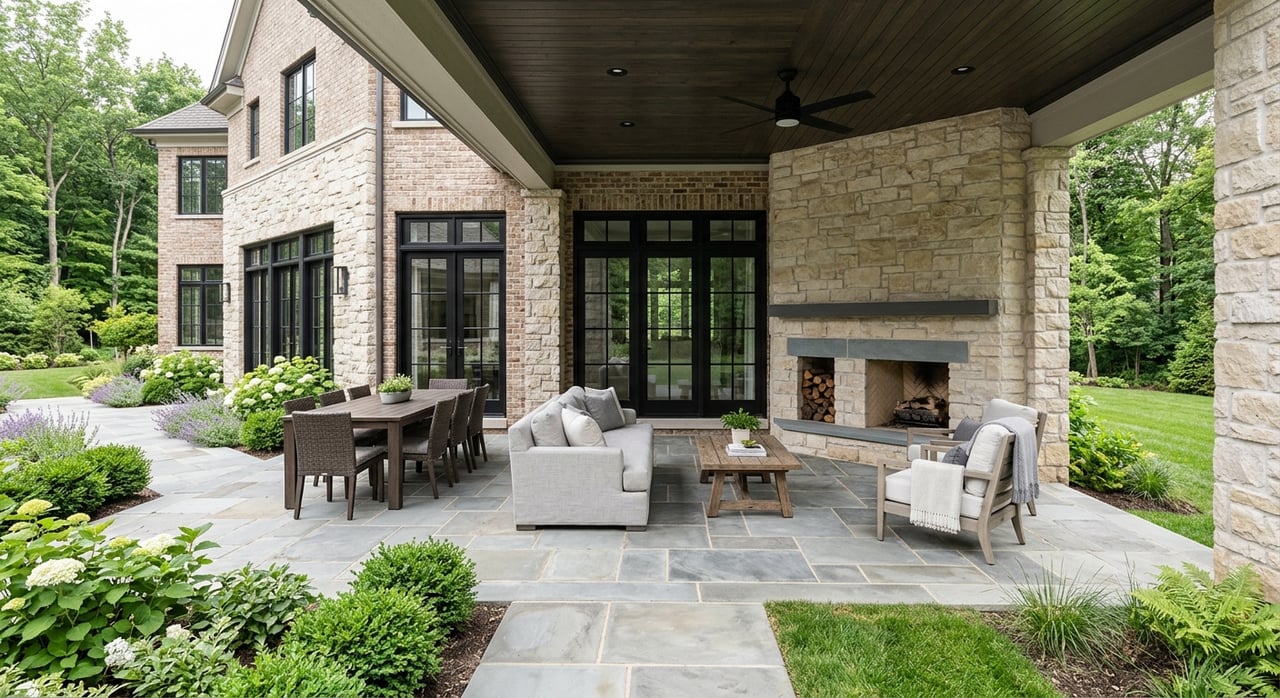
Living in Bloomfield Hills MI: Daily Life Beyond Estates
April 16, 2026
April 16, 2026
Looking beyond the grand facades is often the best way to understand a place. In Bloomfield Hills, everyday life is less about constant activity and more about privacy, green space, and a steady residential rhythm that feels distinct from many nearby communities. If you are considering a move, this guide will help you understand what daily living here actually looks like and how Bloomfield Hills compares with neighboring options. Let’s dive in.
Bloomfield Hills is small by suburban standards, with 4,460 residents counted in the 2020 census across about 5.0 square miles of land area, according to a Michigan census reference. That smaller scale shapes how the city feels day to day.
The city describes itself as a place that values quiet, rural residential properties, privacy, and stately homes. Commercial activity is concentrated mainly along Woodward Avenue and Long Lake Road, so most of the community stays focused on residential living rather than retail or nightlife.
That preservation-minded atmosphere also shows up in the city’s planning priorities. Bloomfield Hills emphasizes tree and woodland protection, beautification, buried utilities, and communication around resident projects, which supports a calm, carefully maintained setting.
In practical terms, Bloomfield Hills tends to offer a more tucked-away experience than many nearby suburbs. You are not moving here for a dense downtown or a long list of commercial conveniences inside the city itself.
Instead, daily life often centers on your home, your lot, nearby cultural destinations, and the natural setting around you. If you value mature landscaping, quieter streets, and a sense of separation from busier corridors, that can be a major draw.
For many buyers, that is the real appeal beyond the estates. The city’s identity is rooted in space, privacy, and preservation, not constant activity.
One of the clearest anchors of everyday life in Bloomfield Hills is Cranbrook Educational Community. The city describes Cranbrook as a 315-acre National Historic Landmark campus that includes the Art Museum, Institute of Science, House and Gardens, Academy of Art, and Schools.
That matters because Bloomfield Hills offers more than large homes and quiet roads. Cranbrook adds a strong cultural and outdoor dimension to local living, giving residents access to architecture, gardens, trails, and educational experiences in a setting that feels integrated into the city’s identity.
Cranbrook Gardens is open to the public for donate-as-you-wish self-guided visits. The Institute of Science also offers nature trails, an outdoor science garden, a planetarium, and an observatory.
For you, that means local recreation can look a little different here. Instead of relying on a busy commercial district, you may find yourself enjoying walks through gardens, visiting exhibitions, or spending time in a campus environment that feels historic and scenic.
The city also highlights private recreation clubs such as Bloomfield Open Hunt, Bloomfield Hills Country Club, Stonycroft Golf Club, and The Village Club on its Cranbrook community page. These are part of the broader lifestyle picture, although access and membership details vary by club.
Another practical point is that Bloomfield Hills does not have a library of its own. Instead, the city maintains a contract for residents with the Baldwin Public Library through Birmingham access arrangements noted by the city.
Small details like that help show how daily routines work here. Bloomfield Hills functions as a highly residential city, with some services and amenities tied closely to nearby communities.
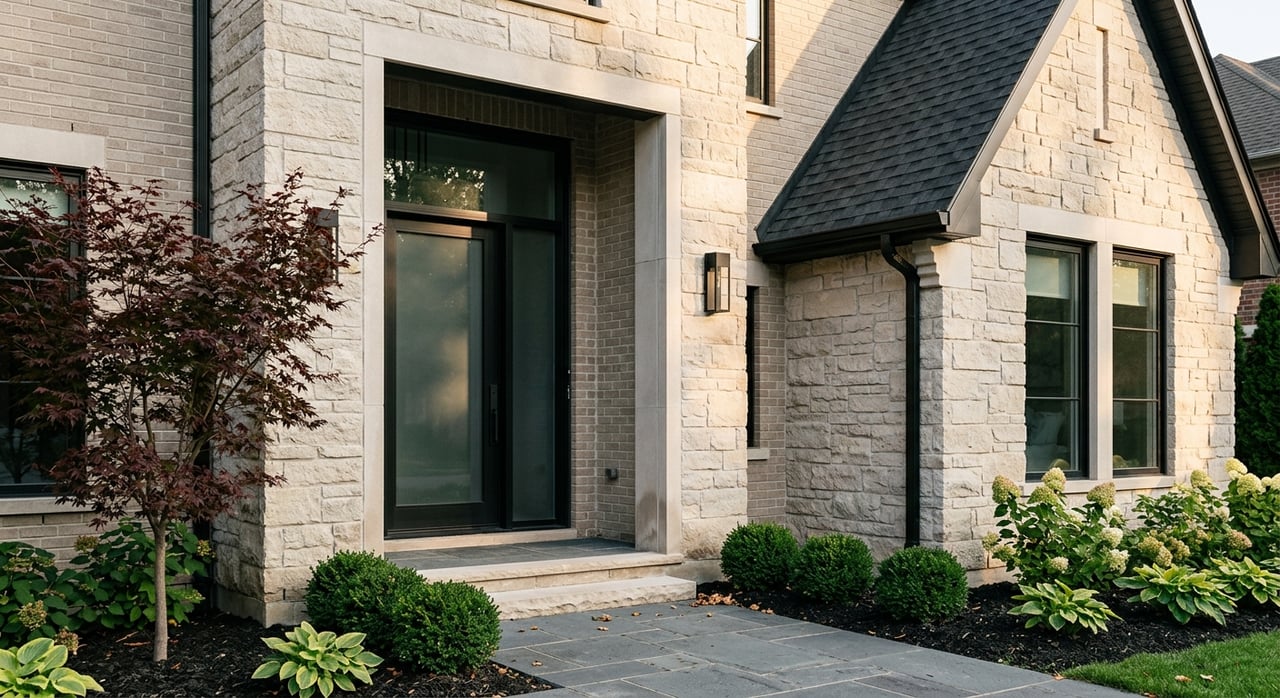
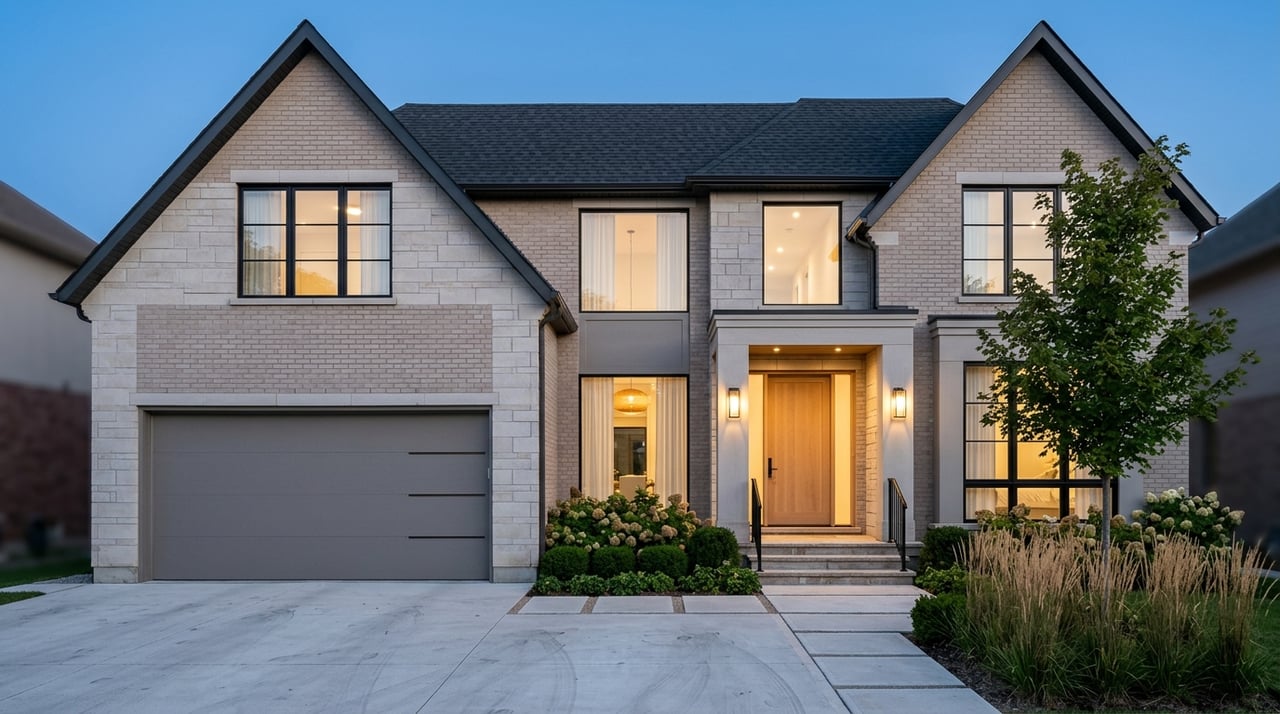
Bloomfield Hills is often associated with large estate properties, but the housing conversation is broader than that. According to the city’s master plan, single-family residential is the dominant land-use pattern, with lot sizes ranging from about three-quarters of an acre to more than two acres.
That gives much of the city its open, private feel. Homes are typically set within substantial landscaping, and the spacing between properties contributes to the overall atmosphere.
The same planning materials note that multiple-family housing is concentrated along Woodward Avenue and in some stretches of Long Lake Road and Barden Road. The city also references newer subdivisions such as Hunt Club Estates and Barton Hills as examples of some of the limited new-construction opportunities on vacant lots.
So while Bloomfield Hills is best known for detached single-family homes, it is not exclusively one type of housing. If you are looking for alternatives to a traditional estate-scale property, there may be narrower pockets to explore.
The city states that architectural diversity and landscaping help sustain community character. It also notes that larger additions, auxiliary structures, and gates may be reviewed partly through the lens of neighborhood character.
That tells you something important as a buyer or homeowner. In Bloomfield Hills, the built environment is not treated casually. Design, scale, and landscape presentation all play a role in how the city preserves its overall feel.
Bloomfield Hills has a strong architectural identity, and Cranbrook reinforces that. The city’s planning materials note that Cranbrook House was designed by Albert Kahn in 1908, and the campus remains a landmark rather than a typical suburban amenity.
For you, this can translate into a more visually cohesive experience of place. Even outside major landmark properties, the city’s long-standing emphasis on landscaping, design review, and preservation gives everyday surroundings a more intentional quality.
If you are considering Bloomfield Hills, it helps to compare it with neighboring communities that buyers often evaluate at the same time. The clearest comparison points are Bloomfield Township and Birmingham.
According to Bloomfield Township, the township has about 44,000 residents across 26 square miles. It describes itself as having rolling hills, winding roads, scenic lakes and streams, and a housing mix that ranges from large-lot estates to more affordable homes.
Birmingham, by contrast, is more active and compact. The same comparison set notes Birmingham has 21,813 residents across 4.73 square miles, with a lively, pedestrian-friendly downtown, nearly 300 retailers, two parks in the city center, and a larger parks-and-trails system.
Here is the practical difference for your home search:
If your priority is privacy, mature landscaping, and a residential setting with cultural amenities nearby, Bloomfield Hills stands apart. If you want more variety in housing types or more immediate retail access, the comparison may point you elsewhere.
Bloomfield Hills can make sense if you want a home environment that feels buffered from commercial activity. The city’s layout, housing pattern, and preservation priorities all support that experience.
You may especially appreciate Bloomfield Hills if your checklist includes:
This does not make Bloomfield Hills better than nearby options. It simply makes it more specific, and for the right buyer, that specificity is exactly the point.
When you buy in Bloomfield Hills, you are not just choosing a house. You are choosing a daily routine, a physical setting, and a level of activity that will shape how home feels over time.
That is why neighborhood fit matters just as much as square footage or finishes. A beautiful property can still feel off if the surrounding lifestyle does not match the way you want to live.
Understanding Bloomfield Hills beyond its reputation helps you make a more confident decision. If you want expert guidance comparing Bloomfield Hills with Birmingham, Bloomfield Township, or nearby Oakland County communities, Mark Kattula Real Estate Group can help you evaluate the options with clear market insight and a personalized strategy.
Stay up to date on the latest real estate trends.
Experience matters — but experience with heart matters more. From personalized strategy to precision negotiations, every detail is handled with care.