Rochester Hills Commute to Detroit: A Local Guide
February 26, 2026
February 26, 2026
Your weekdays are measured in minutes. If you want more of them back, Rochester Hills deserves a closer look. You get quick access to major job centers, flexible routes for traffic workarounds, and home options that cut daily friction. In this guide, you’ll see the fastest ways in and out, the best Rochester Hills micro-areas for busy schedules, and price bands that fit common commuter needs. Let’s dive in.
Rochester Hills blends suburban calm with efficient access to employment hubs. According to the latest city QuickFacts, the mean one-way commute is 24.3 minutes, with a median household income around $120,694 and a median owner-occupied home value near $409,800. Owner-occupancy is about 76.7 percent, which many buyers view as a signal of neighborhood stability and consistent services. See the QuickFacts details.
You are minutes from the Troy corporate corridor and Auburn Hills office parks. Typical non-peak drives between central points in Rochester Hills and Troy can be under 15 minutes, with some routes clocking near 7 to 10 minutes based on origin. Check a sample Troy–Rochester Hills drive time.
If you commute to Downtown Detroit, many sources and listings cite about 25 to 40 minutes depending on origin and time of day. Your actual time will vary with traffic and route choice, so test peak-hour runs from any specific address. Here is a representative estimate used by local listing pages.
Rochester Hills is auto-oriented, and that can work in your favor. The local grid connects quickly to I-75 and M-59 via:
Use the city’s online atlas for a clear view of these corridors and neighborhood access points. View the Rochester Hills street atlas.
Always verify from the address you are considering during AM and PM peaks.
AM and PM slowdowns cluster near M-59 and the I-75/Big Beaver interchange, a high-volume node serving Troy and Auburn Hills offices. Published rankings flag I-75/Big Beaver among heavy intersections, so build a buffer for peak periods. Review a regional intersection risk list.
SMART Route 492 launched in 2024 and now runs through Auburn Hills, Rochester/Rochester Hills, and Troy, linking into Royal Oak and broader regional connections. The route generally follows Squirrel, Walton/University, Rochester Road, and Big Beaver, creating a fixed-route option for Oakland University trips, the downtown Rochester area, and the Big Beaver/Oakland Mall/Somerset corridor. Read about Route 492’s launch and path.
Service hours and stops can change, so confirm current scheduling and any park-and-ride options before you plan a daily commute around it. Check Oakland County transit updates.
Transit can be practical for midday travel, reverse commutes, or occasional downtown connections, but most 9-to-5 commuters still drive due to transfer times and total door-to-door duration.
Rochester Hills is broad, and commute feel changes by sub-area. Here is how different zones typically line up with daily needs.
If your work is in Auburn Hills or along I-75, the west side near Walton/University, Squirrel, and Adams usually offers the quickest on-ramps and shortest highway legs. SMART 492 runs along parts of this corridor, which can support midday or reverse-commute flexibility. Expect a mix of townhomes, mid-size subdivisions, and multifamily near the university area. Use the city atlas to see access nodes.
Bordering downtown Rochester, the central zone emphasizes an easy after-work routine. You get quick access to restaurants, errands, and trails like Paint Creek Trail. The trade-off is that you often use Rochester Road or Walton to reach I-75, which can add a few minutes at peak. Preview local commuting and biking insights.
If you split time across northern Oakland County, proximity to M-59 helps east–west movement. You are also near Stony Creek Metropark for weekend recreation. This area suits buyers who want larger lots and fast access to the M-59 corridor. See the city’s corridor map for context.
Recent citywide medians land in the low-to-mid 400s, though prices vary by zip code and neighborhood. Always drill down to the specific subdivision and recent comps for accuracy. Check Rochester Hills market medians.
Many time-pressed buyers target condos and townhomes for minimal yard work and quick lock-and-go living. Market conditions vary, but a common range is about 300,000 to 450,000 dollars for this segment. See an overview of Rochester Hills inventory.
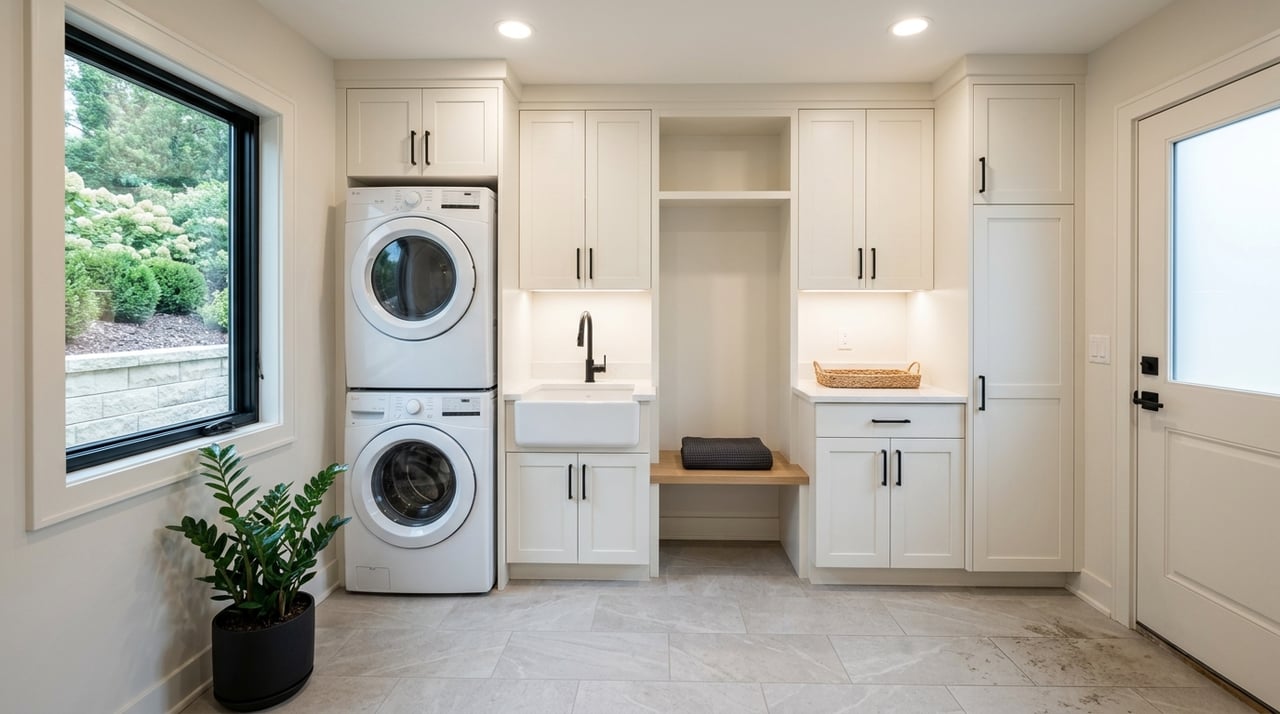
For larger floor plans and everyday function, many buyers focus on roughly 450,000 to 700,000 dollars. Look for attached garages, practical mudrooms, and two-car driveways that simplify mornings and evenings. Proximity to key arterials can command a premium inside the city. Scan citywide medians and trends.
Homes at 700,000 dollars and up tend to offer more square footage, larger lots, and upscale finishes. These often sit near parks and trail access and may be farther from downtown. Inventory clusters by subdivision, so compare micro-area trade-offs before you tour. Explore the market overview.
If you want a commute that feels predictable and a home that supports your week, you need clear data and local insight. We will pressure‑test drive times, surface the right micro-areas, and target homes that cut daily friction. For personal guidance and a streamlined search, connect with the Mark Kattula Real Estate Group to schedule a free consultation.
Stay up to date on the latest real estate trends.
Experience matters — but experience with heart matters more. From personalized strategy to precision negotiations, every detail is handled with care.