Leave a Message

By providing your contact information to Mark Kattula Real Estate Group, your personal information will be processed in accordance with Mark Kattula Real Estate Group's Privacy Policy. By checking the box(es) below, you consent to receive communications regarding your real estate inquiries and related marketing and promotional updates in the manner selected by you. For SMS text messages, message frequency varies. Message and data rates may apply. You may opt out of receiving further communications from Mark Kattula Real Estate Group at any time. To opt out of receiving SMS text messages, reply STOP to unsubscribe.

Thank you for your message. I will be in touch with you shortly.

Home Search

Living in Birmingham Michigan’s Downtown

February 5, 2026

Love the idea of stepping out your door to coffee, boutiques, and dinner without getting in the car? If you’re weighing a move to downtown Birmingham, you’re likely balancing convenience with cost and space. This guide gives you a clear picture of daily life, housing options and price ranges, commutes, and practical trade-offs, plus how Birmingham compares with Troy and Farmington Hills. Let’s dive in.

Downtown Birmingham at a glance

Downtown Birmingham sits along Old Woodward Avenue in a compact grid of short blocks. You’ll find street-level shops with offices and residences above, plus small parks and plazas that host markets, concerts, and seasonal events.

The City of Birmingham has a population of about 20,000, and downtown serves as the social and retail heart for the wider area. It’s one of metro Detroit’s more affluent communities with higher property values and a dense mix of restaurants and boutiques.

Walkability and daily life

If walkability is your priority, downtown Birmingham stands out for suburban Michigan. Many errands are doable on foot, including coffee, dining, banking, salons, pharmacies, and fitness. For specialty items or larger grocery trips, most residents mix walking with short drives to nearby centers.

You’ll have a range of dining from casual cafes to upscale spots, plus small galleries and community arts programming. Large cultural institutions are limited in the core, so residents often drive to nearby suburbs or Detroit for big shows and museums.

Parking includes on-street spaces, municipal lots, and public garages. Spaces can tighten during weekend dining peaks and major events, so plan a few extra minutes. Outdoor street life is most active from late spring to early fall, while winter pivots to indoor dining and holiday events.

Housing options and prices

You’ll see a mix of housing in and around the core:

  • Condos and townhomes in mixed-use or mid-rise buildings. Popular with downsizers and professionals who want low-maintenance living.
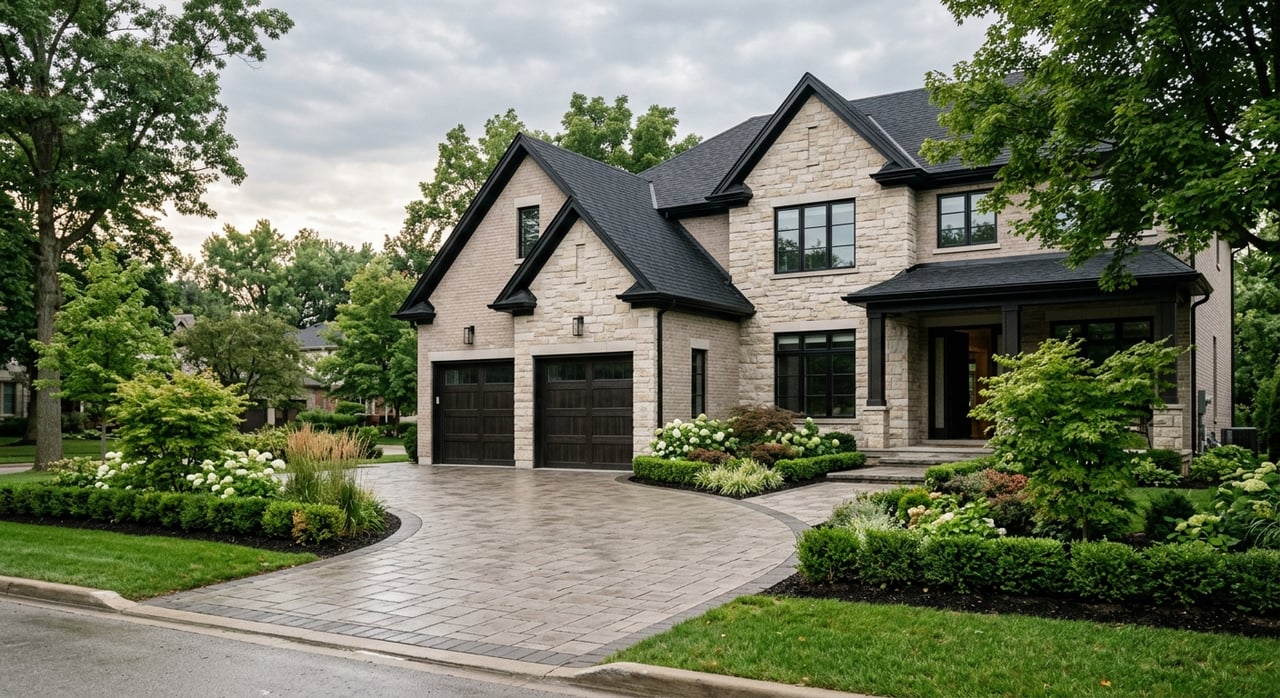
  • Early-to-mid 20th-century single-family homes on smaller lots near downtown, often renovated.
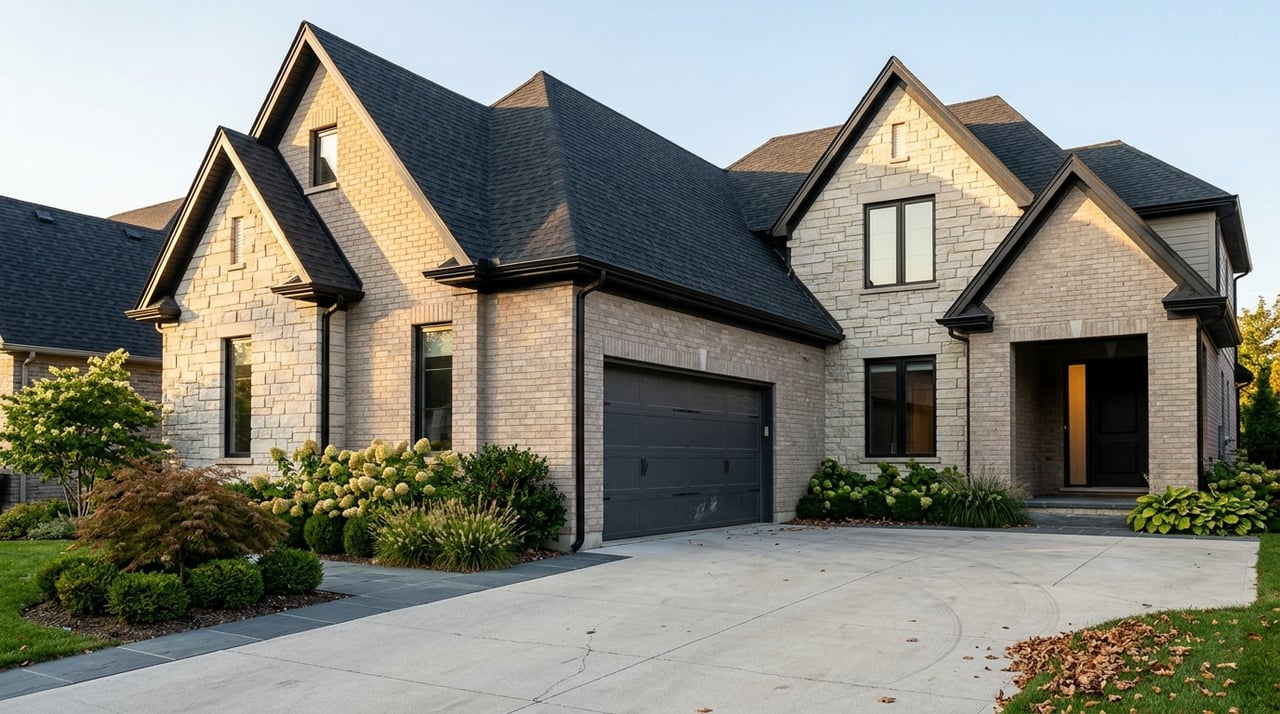
  • Select new-construction infill and high-end renovations where lots and zoning allow.

Typical price context varies by block, size, and condition:

  • Condos and townhomes: often start in the low to mid hundreds of thousands for smaller or older units and can reach the high hundreds of thousands for newer or larger residences.
  • Single-family homes near the core: commonly span from the mid six figures up into seven figures depending on size, renovation level, and lot. Premium or larger homes can exceed seven figures.

Inventory is limited, which can drive competition and faster timelines. Expect variability by property type and market cycle.

Market dynamics to expect

Desirable downtown pockets often see low inventory and competitive bidding, especially for move-in-ready homes and newer condos. Cash or flexible financing can be an advantage. Interest rates, regional employment, and demand for walkable living all shape activity.

If you’re buying, get pre-approved and be ready to move quickly on the right fit. If you’re selling, strong presentation and data-backed pricing matter in a market with high buyer expectations.

Schools and city services

Birmingham Public Schools serve the city and are consistently recognized among higher-performing districts in Michigan. Because school performance changes over time, it’s wise to review current district and state report cards for the latest data. There are also multiple private and parochial options across Oakland County.

Municipal services such as public works, parks, and police are provided by the City of Birmingham and are typically well-resourced for a city of this size. Parks, the library, and community programming are easy to access from downtown.

Getting around and commutes

Public transit exists at a regional scale, but most residents rely on cars for commuting. Birmingham connects well to I-75 and I-696 via major arterials. A typical peak drive to downtown Detroit ranges roughly 20 to 40 minutes depending on traffic and destination.

Short trips within Birmingham are feasible on foot or by bike, though winter weather limits year-round biking for many. If you have a commute to Troy, Southfield, or other employment centers, you’ll find multiple highway options.

How Birmingham compares nearby

  • Walkability: Birmingham’s core is denser and more walkable than much of Troy and Farmington Hills, which are more auto oriented with multiple commercial corridors.
  • Housing and price: Birmingham often sits higher in price per square foot and overall values. Troy and Farmington Hills offer broader inventory and more mid-priced subdivisions.
  • Schools: Birmingham Public Schools and Troy’s public schools score well by many measures. Farmington Hills includes a mix of districts and private schools with varied performance.
  • Jobs: Troy holds more large corporate and office parks, while Birmingham’s job mix leans retail, dining, and professional services.

Trade-offs are straightforward: you pay a premium for walkability, a compact setting, and the downtown lifestyle. Yards are smaller near the core, and event traffic can add congestion at peak times. In return, homes in strong downtowns with respected schools tend to hold value well over time, subject to upkeep and market cycles.

Is downtown Birmingham right for you?

You’ll likely be a great fit if you:

  • Want to walk to coffee, dining, and services most days.
  • Prefer low-maintenance living in a condo or townhome, or you’re comfortable with a smaller yard near the core.
  • Value quick drives to regional employment hubs and a central suburban location.
  • Prioritize access to a strong public school district and a robust set of nearby private options.

You might look elsewhere if you strongly prioritize larger lots, newer large-lot subdivisions, or a lower price point for similar square footage.

Buyer and seller tips

  • Condos and HOAs: Review building rules for parking, guest passes, rental policies, and assessments before you write an offer.
  • Historic and exterior changes: Older homes may sit in areas with design guidelines. Confirm rules before planning major exterior updates.
  • Noise and events: Expect more activity on event nights and weekends. Ask about soundproofing and visit at different times of day.
  • Winter and parking: Understand snow procedures for street parking and garages.
  • Competitive offers: Limited inventory can mean quick deadlines. Lining up financing and contingencies early helps you act with confidence.

Your next step

If downtown Birmingham sounds like your pace, the next move is a personalized plan. Whether you’re comparing condos near Old Woodward or a single-family home just off the core, you deserve clear data, thoughtful guidance, and polished presentation. Start a conversation with the local team that blends market insight with client-first service at the Mark Kattula Real Estate Group.

FAQs

What is daily life like in downtown Birmingham?

  • Expect walkable errands, a strong dining and boutique scene, seasonal markets and events, and quieter winters with more indoor activity.

How much do condos and homes cost near downtown Birmingham?

  • Condos often start in the low to mid hundreds of thousands and can reach the high hundreds of thousands. Nearby single-family homes commonly range from the mid six figures into seven figures, with premiums for size and renovation.

What are typical commute times from downtown Birmingham?

  • Most residents drive. Peak commutes to downtown Detroit are roughly 20 to 40 minutes depending on route and traffic. Regional highways are accessible via major arterials.

What should I know about Birmingham schools?

  • Birmingham Public Schools serve the city and are widely recognized for strong performance. Always review current district and state report cards for the latest data.

How is parking for residents and visitors downtown?

  • You’ll find on-street spaces, municipal lots, and garages. Parking can be tight during peak dining times and major events, so plan ahead.

Are there HOA or rental rules for downtown Birmingham condos?

  • Rules vary by building. Review HOA documents for rental caps, parking permits, guest policies, and assessments before making an offer.

How does Birmingham compare with Troy and Farmington Hills for buyers?

  • Birmingham offers a walkable downtown and higher price points. Troy and Farmington Hills provide broader, more auto-oriented neighborhoods with more mid-priced options.

Experience the Difference

Experience matters — but experience with heart matters more. From personalized strategy to precision negotiations, every detail is handled with care.