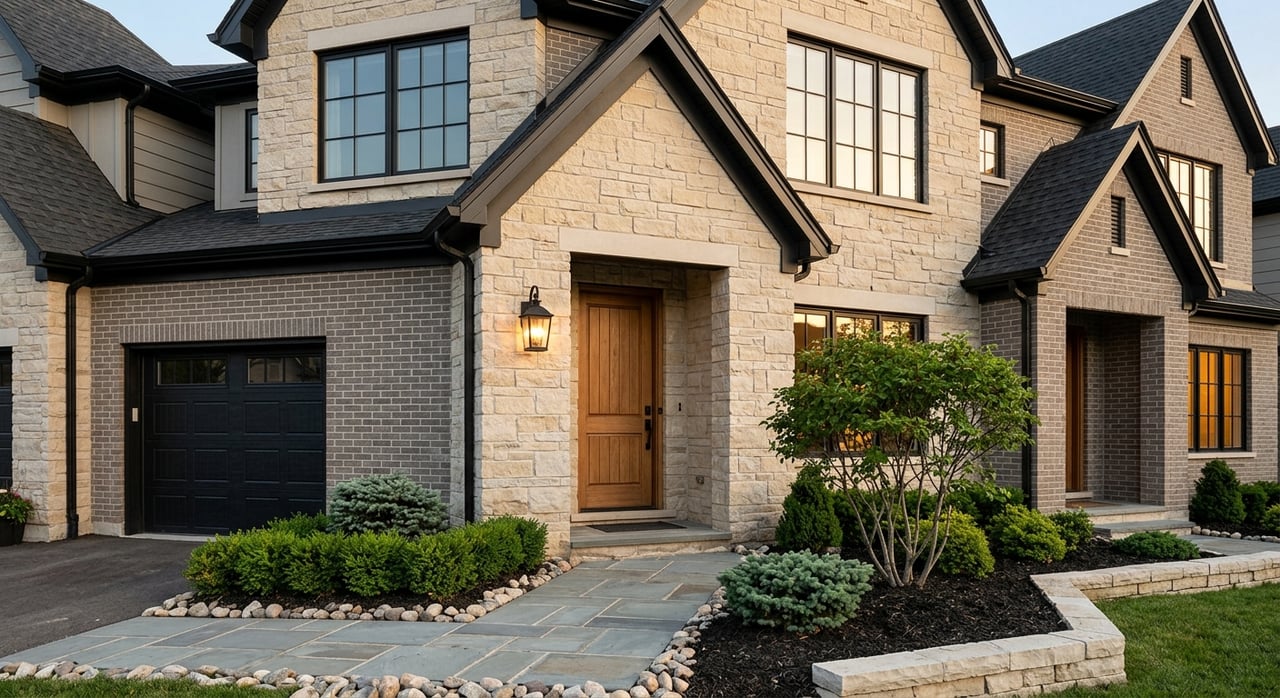
West Bloomfield Condo and Townhome Living Guide
April 9, 2026
April 9, 2026
If you want a home in West Bloomfield but do not want every weekend tied up with exterior upkeep, condo and townhome living may be worth a closer look. For many buyers, the appeal is simple: a lower entry price than the broader market, shared amenities, and less day-to-day maintenance. The key is knowing what you are actually buying, what the association covers, and how the community’s rules and finances can affect your costs and future resale. Let’s dive in.
West Bloomfield stands out as a primarily residential community with a high owner-occupied housing rate of 83.6%, a median owner-occupied home value of $426,200, and a median household income of $125,453, according to the U.S. Census QuickFacts for West Bloomfield Township. The township budget also points to a 2024 median home value of $420,000 and an average home sale value of $581,080.
That backdrop helps explain why attached living draws interest here. In a market with established housing values, condos and townhomes can offer a different path into West Bloomfield ownership, especially if you want convenience or are planning to downsize. The township’s 28 lakes, more than 75 miles of bike and safety paths, and a resident population where 23.6% are age 65+ also support demand from buyers looking for a more manageable home setup.
In West Bloomfield, attached living is not limited to apartment-style buildings. Some properties may look like a detached single-family home but still operate under condominium ownership rules. That is especially important in Michigan, where the legal structure does not always match the way a property looks from the street.
The Michigan Condominium Buyer’s Handbook explains that a site condominium can be a detached single-family home governed by the Condominium Act. In short, a property may feel like a house, but the ownership, maintenance obligations, and association rules may still function like a condo community.
A local example is Aldingbrooke, which describes itself as a community of 101 detached condominium units built between 1984 and 1987. It includes ranch and colonial floor plans, basements, attached garages, decks, a pool, and a clubhouse. That is a helpful reminder that condo and townhome living in West Bloomfield can cover a wide range of formats.
The biggest tradeoff in condo and townhome living is straightforward: you usually give up some direct control in exchange for shared maintenance and amenities. What that looks like will vary by community, so it is worth reading beyond the listing description.
For example, Westbrooke’s rules and regulations reference association responsibilities that include a pool, clubhouse or cabana, snow removal, roads, sidewalks, roofs, siding, exterior painting, and common-area landscaping. For many buyers, that kind of setup is the main draw because it can reduce the amount of exterior work you need to manage yourself.
But “low maintenance” does not always mean “no maintenance.” West Bloomfield Woods’ FAQ notes that the HOA handles snow removal in common spaces but does not negotiate driveway plowing. That is a good example of why you should confirm exactly where the association’s responsibilities end and your responsibilities begin.
One West Bloomfield condo community can feel very different from another. Some associations focus on simple exterior maintenance, while others put more emphasis on amenities and shared spaces.
Communities like Aldingbrooke highlight features such as a clubhouse and pool. Others, like Westbrooke, show how detailed community rules can be, including enforcement provisions and owner responsibilities.
That matters because the lifestyle is shaped by more than square footage or finishes. Before you buy, make sure the community’s rules fit how you plan to live in the home. The right match can feel easy and convenient. The wrong one can feel restrictive very quickly.
When you are buying a condo or townhome in Michigan, document review is not optional. It is one of the most important parts of your due diligence.
Under Michigan law, developers must provide prospective condo buyers with a recorded master deed, a purchase agreement, a condominium buyer’s handbook, and a disclosure statement. That disclosure statement must include a projected first-year budget and, for conversion projects, details on major building components and any code violations.
The master deed is especially important. According to the Michigan Condominium Buyer’s Handbook, it sets each unit’s percentage of ownership, which often helps determine monthly maintenance fees, major repair assessments, and voting power.
Here are the key documents and details to review before moving forward:
A condo purchase is not just about the unit. You are also buying into the financial health of the association.
The Michigan Condominium Buyer’s Handbook states that associations are required to maintain a reserve fund for major repairs and replacement of common elements. That reserve planning matters because roofs, roads, siding, and shared amenities wear out over time.
Fannie Mae’s project standards guidance reinforces this point. Lenders often review legal documents, budgets, financial statements, reserve studies, insurance documentation, and condo questionnaires when evaluating a project. Strong documentation and sound reserves can help support smoother financing and stronger resale appeal.
A lower purchase price does not always mean a lower monthly cost. HOA dues are part of the real budget, and they should be treated that way from the start.
According to Fannie Mae’s homeowner guidance within its project review framework, HOA fees should be built into your monthly housing budget because they vary by property and often rise over time. Some communities may also charge special assessments for large one-time expenses.
You also need to understand the consequences of nonpayment. Westbrooke’s rules show that fines can be assessed for violations, and unpaid fines may become a lien. Michigan law gives associations strong collection tools, including the ability to seek damages, injunctive relief, and foreclosure of a lien for unpaid assessments.
That does not mean condo ownership is a bad deal. It simply means the monthly dues, reserve planning, and enforcement language should be taken seriously before you make an offer.
One reason many buyers consider attached living is price. Current portal data suggests condos can start below the broader West Bloomfield market.
Redfin’s West Bloomfield condo data currently shows 52 condos for sale at a median listing price of $320,000, while the broader West Bloomfield market had a median sale price of $431,358 last month. This is only an illustrative snapshot, but it helps show why condos may appeal to first-time buyers, downsizers, and buyers who want to stay in West Bloomfield with a different budget or maintenance profile.
Still, price should be viewed alongside fees, insurance responsibilities, and association quality. A lower purchase price can lose some of its advantage if dues are high or if the community has weak reserves and recurring assessments.
If resale matters to you, look beyond the unit itself. In attached communities, the association can have a real impact on buyer demand and lending options.
Fannie Mae’s project review guidance makes clear that lenders consider project financial strength and documentation. In practical terms, buyers and lenders often feel more comfortable in communities with clear records, sensible rules, funded reserves, and predictable maintenance responsibilities.
West Bloomfield’s strong owner-occupancy profile adds another layer to the conversation. In a market where owner-resident demand matters, communities that are well run and easy to understand may stand out more over time.
For the right buyer, condo or townhome living in West Bloomfield can be a smart fit. You may get a lower entry point into the market, reduced exterior upkeep, and access to amenities that would be expensive to maintain on your own.
The tradeoff is that you are also buying into a shared system. That means dues, rules, document review, and reliance on the association’s financial and operational health. If you go in with clear expectations, attached living can offer both convenience and value.
If you are weighing condos, townhomes, or detached site condos in West Bloomfield, working with an advisor who understands both the property and the association side of the decision can make the process much clearer. If you want help comparing communities, reviewing the big-picture costs, or finding the right fit for your goals, connect with Mark Kattula Real Estate Group to schedule a free consultation.
Stay up to date on the latest real estate trends.
Experience matters — but experience with heart matters more. From personalized strategy to precision negotiations, every detail is handled with care.