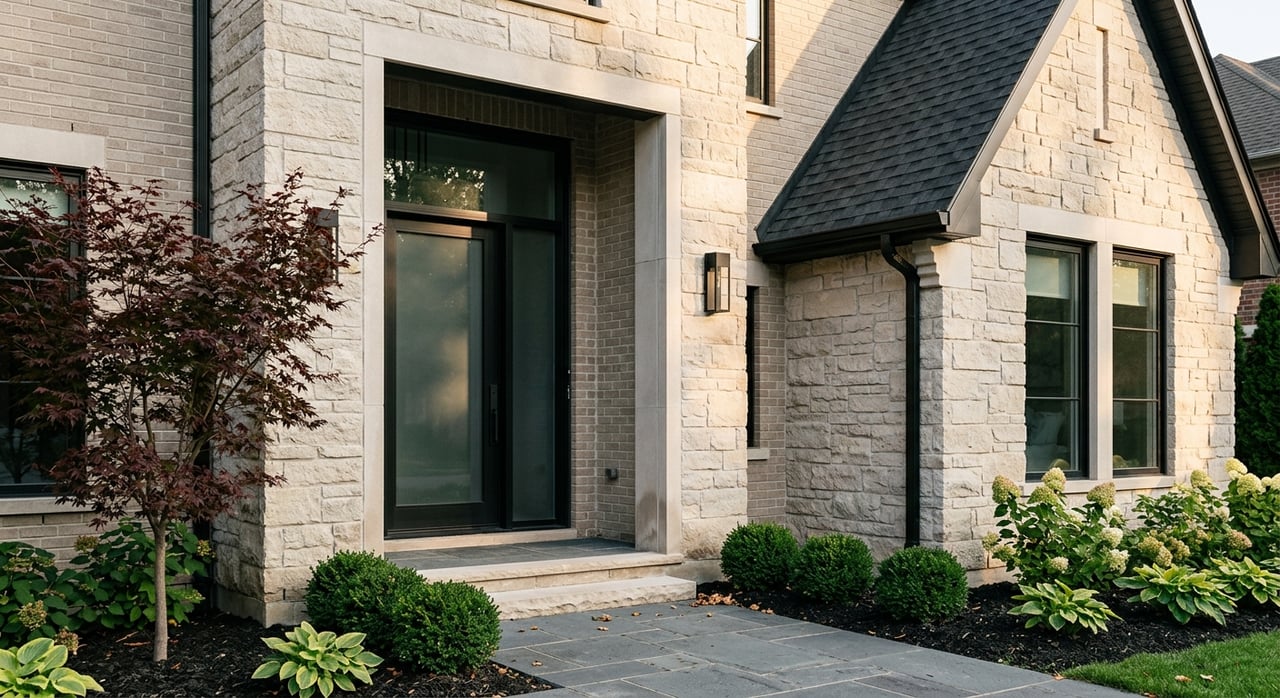
Architectural Styles That Define Bloomfield Hills Homes
May 14, 2026
May 14, 2026
Wondering what gives Bloomfield Hills homes their distinct feel? It is not just size, price point, or curb appeal. In Bloomfield Hills, architecture is shaped by history, rolling land, wooded lots, and a long tradition of design-minded homebuilding. If you are buying, selling, or simply trying to understand the local market, this guide will help you spot the styles and site features that define the area. Let’s dive in.
Bloomfield Hills is best understood as a place with multiple architectural chapters, not a single signature style. The city traces its roots to farm and orchard land, then evolved into a residential setting known for large plots, privacy, and stately homes.
That history still shows up today. The city describes Bloomfield Hills as a quiet, rural residential place with wooded lots and generous setbacks, while planning documents highlight tree-lined streets, lush landscaping, and homes placed carefully within the land.
Before Bloomfield Hills became known for estate properties, the area included simpler early domestic forms. Preserved examples like the Benjamin-Barton Farmhouse and the Craig Log Cabin reflect that earlier settlement period.
For today’s buyers and sellers, these homes matter mostly as context. They show that the area’s story began with practical rural architecture before later eras introduced larger homes and more formal design traditions.
As wealthy Detroit business leaders began purchasing large tracts for summer and weekend homes, Bloomfield Hills developed a strong estate tradition. This period helped shape the elegant, private residential character many people still associate with the area.
One of the clearest architectural reference points is Cranbrook House, built in 1908 by Albert Kahn. Cranbrook describes it as an English Arts-and-Crafts and Tudor-revival manor home, and it remains a major example of the grand-estate design language tied to Bloomfield Hills.
Tudor Revival homes often stand out through steep rooflines, prominent chimneys, and a sense of old-world formality. In Bloomfield Hills, that style fits naturally with winding roads, mature trees, and large setbacks.
When you see a home with a stately presence and architecture that feels rooted in tradition, you are often seeing the influence of this estate-era revival period. These homes help define the area’s long-standing reputation for architectural depth.
Arts and Crafts design adds another important layer. In Bloomfield Hills, that influence often feels less about ornament and more about craftsmanship, proportion, and a close connection between the home and its setting.
This matters because Bloomfield Hills is not just about impressive square footage. The local housing story has long included thoughtful design and homes that respond to the landscape around them.
Bloomfield Hills also has a meaningful modernist legacy. According to the Bloomfield Historical Society, modernist architecture grew and developed out of Bloomfield Hills, and the city is linked to influential designers including Minoru Yamasaki and Frank Lloyd Wright.
That makes Bloomfield Hills unusual in a good way. In many communities, traditional estate homes dominate the identity, but here, modernism is part of the architectural conversation too.
Cranbrook’s Saarinen House is described as Eliel Saarinen’s Art Deco masterwork. Its presence reinforces how strongly design history is woven into the area.
For homeowners and shoppers, this adds another lens for understanding the market. Bloomfield Hills architecture is not one-note. It includes formal revival styles, craft-driven design, and forward-looking modern forms.
The Affleck House offers a local example of Frank Lloyd Wright’s Usonian style. The Frank Lloyd Wright Foundation describes Usonian houses as emphasizing horizontality, open living, large windows, and a close relationship to the site.
At Affleck House, that relationship to the land is especially clear. It is a one-story home that spans a ravine and anchors into the hill, showing how architecture in Bloomfield Hills often works with the terrain rather than against it.
Even if a home is not a landmark property, modernist ideas still influence what many buyers value today. Open layouts, strong indoor-outdoor connections, large windows, and clean lines remain appealing because they make the most of wooded surroundings and natural light.
In Bloomfield Hills, these features do not feel imported or trendy. They fit the local setting and reflect a design tradition that has real roots in the community.
In Bloomfield Hills, the lot is often as important as the house. The city master plan points to rolling hills, woodlands, and water features as key forces behind street patterns and building placement.
That helps explain why homes here often feel private, tucked into the landscape, and visually separated from the street. The architecture is part of the setting, not just placed on top of it.
The city notes that varying topography influenced the meandering streets and the placement of buildings. Instead of a rigid grid, you get a more natural layout that follows the land.
For buyers, that often translates into a more secluded, custom feel. For sellers, it is a reminder that site placement, views, and the relationship between house and lot can be major value drivers.
Natural-feature protections also help preserve the area’s character. The city uses setback regulations that include a 25-foot development buffer around waterways and wetlands.
Combined with generous lot sizes and mature landscaping, these standards help maintain the feeling that homes sit within woodlands and natural features. That is a defining part of the Bloomfield Hills look.
Single-family residential remains the dominant land use in Bloomfield Hills, and local planning documents note a wide variety of housing styles with high standards for architecture and landscaping. That variety is possible in part because lots are large.
Current zoning for one-family districts ranges from 0.75 acre to 2 acres minimum lot area. Oakland County’s 2025 land-use summary also shows that a large share of single-family acreage falls within 1-to-2.4-acre lots, with another significant share in 2.5-to-4.9-acre lots.
This is one reason Bloomfield Hills does not read like a uniform subdivision market. Homes have room for distinct siting, varied massing, and meaningful landscaping, which supports architectural diversity.
Bloomfield Hills is not frozen in one era. The city master plan notes renovations, expansions, and occasional replacement of older homes with newer ones.
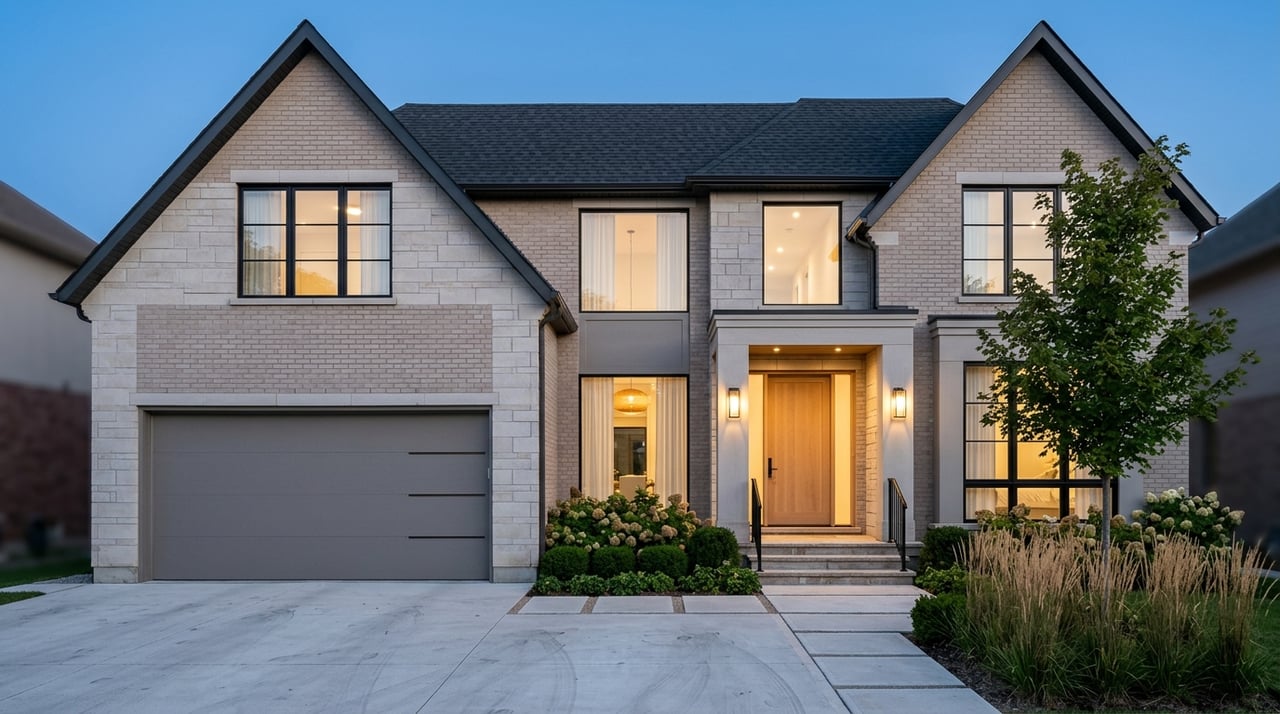
That means today’s housing stock includes both historic influence and contemporary interpretation. You may see a classic estate home on one property, a mid-century modern expression on another, and a newer custom home nearby that blends traditional materials with current layouts and finishes.
Newer homes in Bloomfield Hills often respond to the same fundamentals that shaped earlier architecture. They make use of large lots, respect the wooded setting, and take advantage of setbacks and natural privacy.
The style may be newer, but the priorities are familiar. Homes still tend to emphasize presence, proportion, and a strong relationship to the land.
If you are shopping for a home in Bloomfield Hills, it helps to look beyond the listing photos and ask how the property fits into the area’s broader architectural story. The lot, the siting, and the era of construction all matter.
Here are a few details worth paying attention to:
These details can help you better understand value and long-term appeal.
If you are preparing to sell a Bloomfield Hills home, architectural identity can be a real strength. Buyers are often drawn to homes that feel connected to the area, especially when the property’s design and setting tell a clear story.
That does not mean every home needs to be historic or architect-designed. It means your marketing should show how the home fits its lot, how the exterior and landscape work together, and what style elements make it stand out.
A few features often worth emphasizing include:
In a market like Bloomfield Hills, presentation matters because buyers are often evaluating both the home and the lifestyle created by the site.
Understanding architecture in Bloomfield Hills is not just about design vocabulary. It helps you read the market more clearly.
A Tudor Revival home on a wooded lot, a modernist property shaped by the terrain, and a newer custom build with expansive setbacks may all appeal to different buyers for different reasons. Knowing that context can help you price more accurately, market more effectively, and make better decisions whether you are buying or selling.
If you want guidance on how your home fits into the Bloomfield Hills market, or you want help identifying the right property for your goals, the Mark Kattula Real Estate Group can help you navigate the process with local insight and a thoughtful, data-informed approach.
Stay up to date on the latest real estate trends.
Experience matters — but experience with heart matters more. From personalized strategy to precision negotiations, every detail is handled with care.