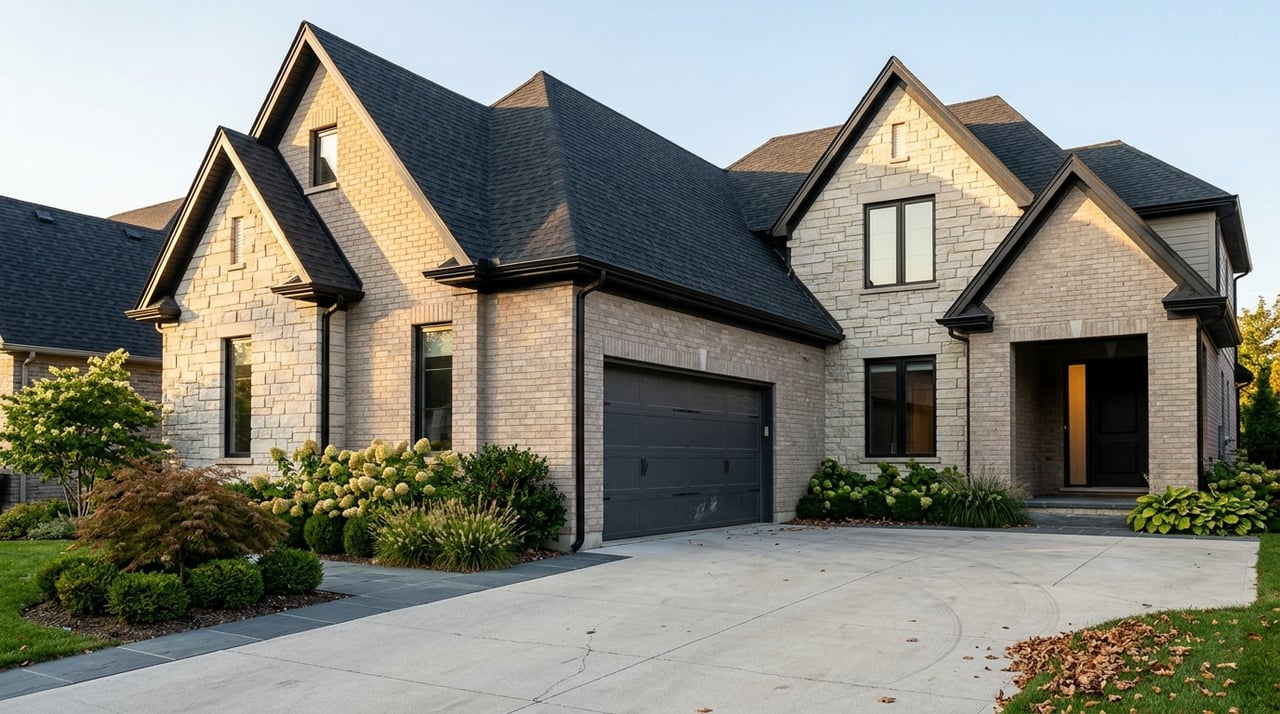
How Appraisals Shape Bloomfield Township Home Sales
May 28, 2026
May 28, 2026
If your Bloomfield Township home goes under contract at a strong price, it can feel like the hard part is over. Then the appraisal happens, and suddenly one report can affect financing, negotiations, and even whether the sale stays on track. If you want fewer surprises and a smoother closing, it helps to understand how appraisals work and why they matter so much in this market. Let’s dive in.
An appraisal is an independent written opinion of value. In a financed home sale, the lender may require it to help decide whether the property supports the loan amount.
That makes the appraisal different from your listing price and different from an agent’s comparative market analysis. In Michigan, a broker’s market analysis can help with pricing a home for sale, but it is not the same as a licensed appraisal.
In Bloomfield Township, this step can carry extra weight because homes can vary quite a bit in lot size, age, layout, updates, and overall condition. When properties are less uniform, choosing the right comparable sales becomes more important.
Most appraisals rely heavily on the sales comparison approach. That means the appraiser compares your home to similar homes that have recently sold in the same area.
The appraiser may look at details such as square footage, bedroom and bathroom count, year built, site characteristics, style, and condition. For conventional mortgage appraisals, Fannie Mae says the appraiser should use at least three closed comparable sales and explain the choices made in the report.
Condition matters just as much as size. The appraiser inspects the interior and exterior and notes issues that affect safety, soundness, or structural integrity.
Minor wear may not change the process much, but bigger problems can. In some cases, the appraisal may be made subject to repairs rather than completed fully as-is.
One reason Bloomfield Township is such a useful case study is that the township maintains detailed online property records. Those records can include land values, lot size, acreage, legal descriptions, sales information, and detailed building information.
The township also publishes residential and condo sales study information and land sales study information. For sellers, that creates a practical opportunity to check whether public records match your home before the appraisal takes place.
That matters because appraisers rely on factual property details. If square footage, finished space, lot dimensions, or other features are recorded incorrectly, those errors can affect the valuation process.
It is also important to keep one point clear: Bloomfield Township assessments are not the same thing as mortgage appraisals. The township states that property is assessed at 50% of true cash value as of December 31 each year for tax purposes, which serves a different purpose than a lender’s appraisal.
In Bloomfield Township, nearby sales are usually the clearest signal of market value. Appraisers typically look for recently closed sales with similar physical and legal characteristics, including site, room count, finished area, style, and condition.
That sounds simple, but it can get complicated fast in a market where one street may have very different home styles, lot sizes, and renovation levels. A beautifully updated property may not compare cleanly to a nearby home with dated finishes, even if the square footage is similar.
If there are not enough strong nearby matches, the appraiser may use older sales or sales from a competing neighborhood. When that happens, the report should explain why those comparables were selected.
For sellers, the lesson is straightforward: the best-case appraisal usually depends on having credible comps that reflect your home’s actual condition and improvement level. Not every nearby sale tells the same story.
Many sellers assume any renovation will automatically raise appraised value. In reality, upgrades are most persuasive when they line up with what buyers have recently paid for similar homes nearby.
A remodeled kitchen, newer roof, updated HVAC, or replacement windows can absolutely matter. But the appraiser is not judging improvements in the abstract. The goal is to see how those upgrades fit the local market and whether comparable sales support the value.
That is why documentation is so useful. If you have invoices, permit records, or a clear list of major updates with dates, that information can help confirm the home’s features and condition.
You cannot control the final value, but you can make the property facts easier to verify. A little preparation can reduce confusion and make sure the appraiser sees the most accurate picture possible.
Here are a few practical steps to take before the appointment:
This is not about influencing the appraiser. It is about making sure the information used to evaluate your home is as complete and accurate as possible.
Sellers sometimes use these terms interchangeably, but they are not the same. An appraisal estimates value for the lender, while a home inspection looks more closely at the physical condition of the property.
An appraisal does not replace an inspection. Even if a home appraises at value, a buyer may still discover repair concerns during the inspection process.
That distinction matters because a sale can face separate pressure points. One issue may affect value, while another affects the buyer’s comfort with the property’s condition.
A low appraisal can change the tone of a transaction quickly. If the appraised value comes in below the contract price, the lender may not support financing at the agreed amount.
At that point, the deal often returns to negotiation. The buyer and seller may revisit price, review the comparables used, or look more closely at the lender’s file.
Borrowers can also ask for a reconsideration of value if they identify factual errors, missing information, weak comparable choices, or other deficiencies in the original valuation. That does not guarantee a change, but it can be an important step when the first report appears incomplete or inaccurate.
One of the best ways to avoid appraisal trouble is to price strategically from the start. That means using current market evidence, understanding how your home fits recent Bloomfield Township sales, and recognizing where your property is meaningfully different.
This is where a data-backed pricing approach matters. A comparative market analysis is not an appraisal, but it can help you set a realistic list price based on recent local sales, condition, and buyer expectations.
When pricing, presentation, and property documentation all work together, you give your sale a stronger foundation. That does not eliminate risk, but it can improve your odds of a cleaner path from contract to closing.
If you are preparing to sell in Bloomfield Township, the appraisal should never be an afterthought. It is a key checkpoint that connects pricing, property records, condition, and comparable sales, and handling those details early can make a real difference when your home hits the market. If you want clear guidance on pricing, preparation, and positioning your home for a smooth sale, schedule a free consultation with Mark Kattula Real Estate Group.
Stay up to date on the latest real estate trends.


Experience matters — but experience with heart matters more. From personalized strategy to precision negotiations, every detail is handled with care.